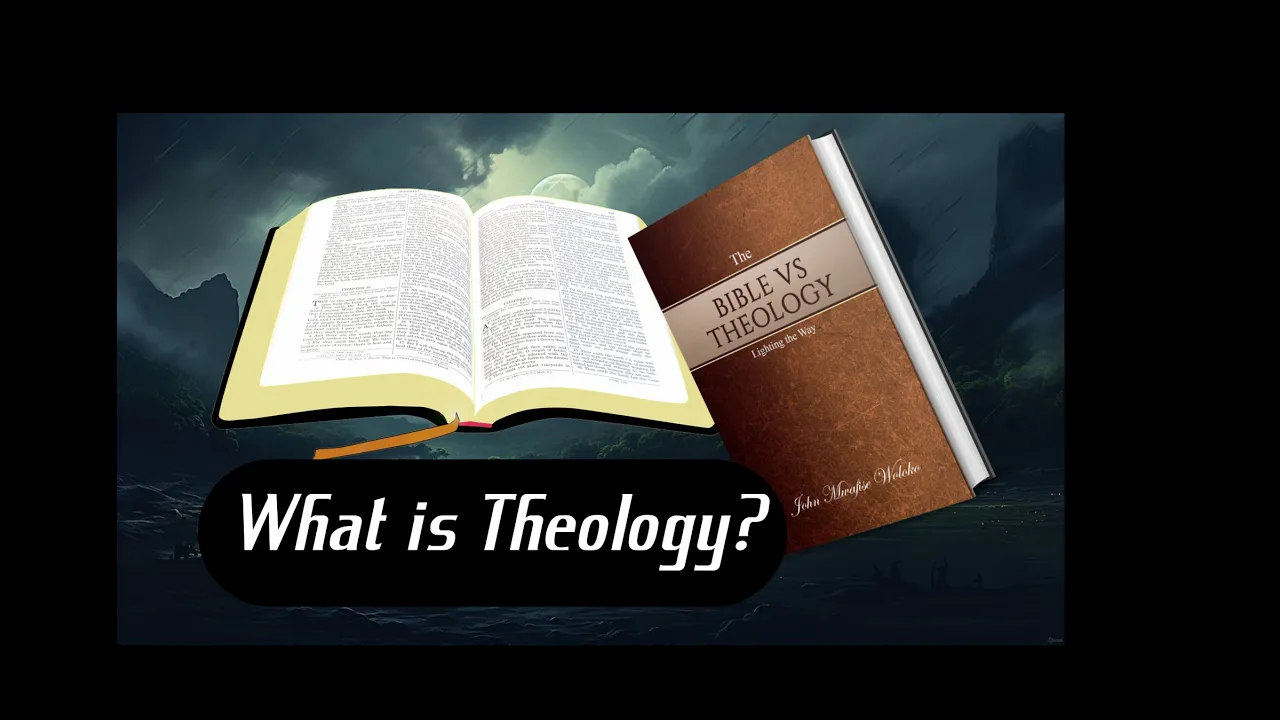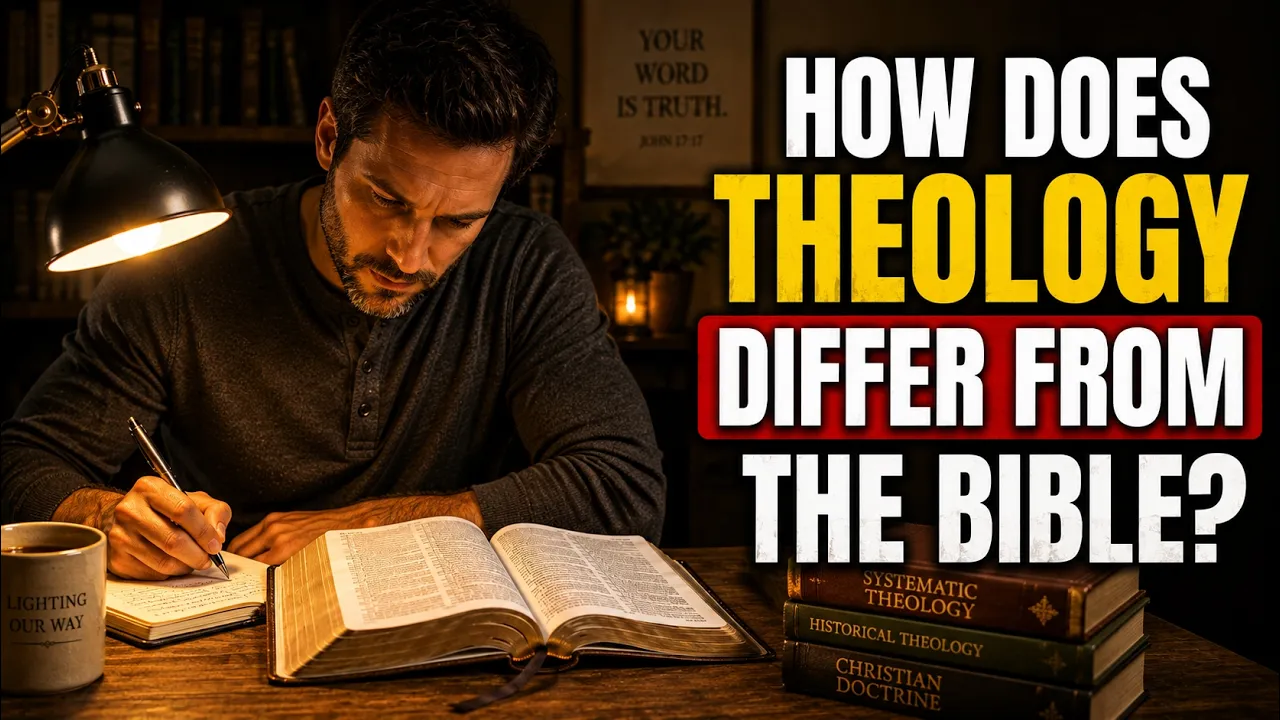
How Does Theology Differ From The Bible?
A major confusion within the Body of Christ is the inability of Christians to distinguish between the Bible’s actual content and theological explorations. Consequently, the Bible’s content is nearly always replaced by the findings of theological research. Upon closer investigation, the Bible and theology present a clear distinction, and both are intended to serve specific purposes in a divine relationship.
Here are six ways the Bible and theology differ, which can aid Christians in their spiritual journey.
Authority
The Bible is a Book that contains God’s Word for humankind. It contains doctrines that clarify the message of salvation for humanity. Theology uses these doctrines for research to further illuminate that biblical message. Theology achieves this goal by gathering evidence from the entire universe and the Bible itself. Think of the Bible as a treasure field, and theologies as the tools for extracting its various valuable resources.
Inspiration
The Holy Spirit inspired every Word in the Bible. The Bible plainly states that the Holy Spirit moved and inspired both Old Testament prophets and New Testament writers. Theology is divinely inspired by the Holy Spirit only when the theologian or researcher first submits to God, relies on the Holy Spirit’s guidance, and depends on the Bible to direct their research. Our theological research is driven by biblical passages that capture our interest and require further comprehension. For instance, to determine if the Bible is genuinely God’s Word, we can examine its historical accuracy, its compilation process, its division into chapters and verses, and its translations into other languages. This understanding bolsters our confidence, deepening our faith in God’s promises.
Authenticity
The message of the Bible is authentic, meaning it is trustworthy and true. There is no risk involved in believing and trusting the Bible’s content. Our ability to research allows us to be confident that this beautiful message was inspired by God for us. Be cautious with theology as it frequently lacks authenticity. There are diverse motivations for theological research that do not stem from a genuine desire to grasp the Bible’s message. Consequently, theological research is often tainted by bias, subjectivity, and prejudice. Unless we’re open to Scripture testing our preconceived notions, our research is unlikely to yield genuine findings.
Sufficiency
The Bible is self-sufficient, meaning it can survive on its own without any external support. The Bible can interpret itself, allowing readers to grasp its core message. Theology is an endless pursuit, particularly when scripture is manipulated for selfish aims. Theology’s potential for infinite development stems from humans’ perpetual quest for knowledge.
Consistency
The Bible’s message is remarkably consistent, from Genesis to Revelation, all leading to a singular theme. That theme is Jesus, the Messiah. The hidden message reveals God’s intention through Jesus to rescue us from sin and restore us to His fellowship. The chapters and verses of the Bible work together to fulfill this specific goal. Additionally, Satan can be seen in the background diligently working to thwart God’s plan. If a theologian’s goal isn’t to genuinely grasp God’s message in the Bible, their theological conclusions will lack logical consistency. Furthermore, these theologians delve into complex explanations, employing extensive and difficult-to-grasp terminology, which ultimately breeds confusion, division, and segregation.
Purpose
Thus far, it appears the Bible’s objective is to enable us to know God, discover His will for humanity, and do God’s Word. The message is that original sin in Adam separated us from God. Jesus offers us the chance to be freed from sin and to be brought back into relationship with God. We can regain this fellowship by believing in Jesus by faith. Theology’s role in any research is to find evidence that clarifies this biblical message.
Please relay this message to community members caught in deceptive religious patterns.
Stay Blessed In The Lord!